
Dental implants are one of the most reliable and long-lasting solutions for replacing missing teeth. If you’re considering treatment, understanding how implants work, what the process involves, and whether they’re right for you can help you make a confident decision about your oral health.
What Are Dental Implants?
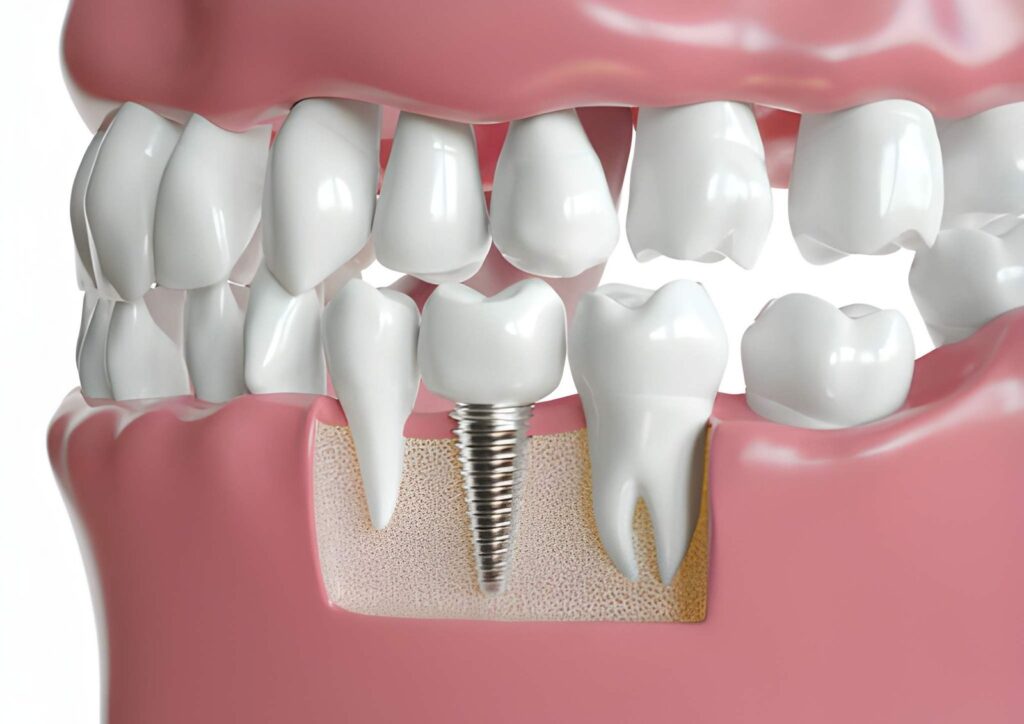
Dental implants are small titanium posts that are placed into the jawbone to act as artificial tooth roots. Once healed, they support a custom-made crown, bridge, or denture that looks and functions like a natural tooth. Because they integrate with the bone, implants provide exceptional stability and durability compared to traditional options.
Why Choose Dental Implants?
Many patients choose dental implants because they offer both functional and aesthetic benefits. Unlike removable dentures, implants stay firmly in place, allowing you to eat, speak, and smile without worry. They also help preserve your jawbone, preventing the bone loss that often occurs after tooth loss. Choosing the Best dental implant clinic Dumbarton ensures you receive expert care and long-lasting, high-quality results tailored to your needs.
Are You a Suitable Candidate?
Most adults with good overall health and sufficient jawbone density are suitable candidates for dental implants. Healthy gums and a commitment to maintaining oral hygiene are essential. If bone loss has occurred, procedures such as bone grafting may still make implants possible. A detailed consultation with a dental professional will determine the best approach for your needs.
The Dental Implant Process Explained
The implant journey typically takes place over several stages:
Initial Consultation
Your dentist will assess your oral health, take X-rays or scans, and discuss your goals. This helps create a personalised treatment plan tailored to your smile.
Implant Placement
The implant is surgically placed into the jawbone under local anaesthetic. This procedure is carefully performed to ensure precision and comfort.
Healing and Osseointegration
Over the next few months, the implant fuses with the jawbone in a process called osseointegration. This step is crucial for long-term stability.
Restoration Placement
Once healing is complete, a custom crown, bridge, or denture is attached to the implant, restoring both appearance and function.
Benefits of Dental Implants
Dental implants provide a wide range of advantages:
- Natural look and feel
- Long-lasting and durable solution
- Improved chewing ability
- Preservation of jawbone structure
- No impact on surrounding healthy teeth
These benefits make implants one of the most advanced and effective tooth replacement options available today.
Potential Risks and Considerations
While dental implants have a high success rate, it’s important to be aware of potential risks. These may include infection, delayed healing, or implant failure in rare cases. Choosing an experienced dental provider and following aftercare instructions significantly reduces these risks.
Recovery and Aftercare
Recovery after implant placement is usually straightforward. Mild swelling or discomfort may occur initially but can be managed with prescribed medication and proper care. Maintaining good oral hygiene, attending follow-up appointments, and avoiding smoking can all support successful healing.
How Long Do Dental Implants Last?
With proper care, dental implants can last for many years—often a lifetime. Regular dental check-ups and a consistent oral hygiene routine are key to ensuring their longevity.
Comparing Implants to Other Options
Compared to dentures and bridges, dental implants offer superior stability and durability. Dentures may require adhesives and can shift, while bridges rely on adjacent teeth for support. Implants stand independently, providing a more natural and permanent solution.
Cost Considerations
The cost of dental implants varies depending on the complexity of the case, the number of implants required, and any additional procedures needed. While the initial investment may be higher than other options, their longevity and benefits often make them more cost-effective in the long term.
Making the Right Decision
Choosing dental implants is a significant step towards restoring your smile and confidence. By understanding the process, benefits, and considerations, you can make an informed decision that aligns with your long-term oral health goals.
FAQs
1. Are dental implants painful?
The procedure is performed under local anaesthetic, so you won’t feel pain during placement. Mild discomfort afterwards is normal and manageable.
2. How long does the implant process take?
The full process can take several months, including healing time, although timelines vary depending on individual cases.
3. Can implants fail?
Implant failure is rare but can occur due to infection, poor oral hygiene, or certain medical conditions.
4. Can smokers get dental implants?
Smoking can affect healing and increase the risk of complications, but implants may still be possible with proper guidance.
5. How do I care for dental implants?
Care for implants just like natural teeth—brush, floss, and attend regular dental check-ups.
Final Thoughts
If you’re considering dental implants, seeking professional advice is the best way to begin your journey. Church Street Dental Practice. provides expert care, personalised treatment plans, and ongoing support to help you achieve a healthy, confident smile.